
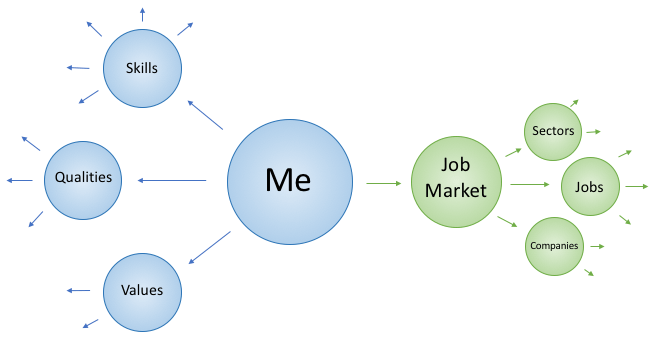
At its core, mind mapping is a visual representation of ideas and concepts, structured around a central theme or goal. It’s a way of organizing information in a non-linear and creative manner, making it easier to understand, retain, and connect different elements. Mind maps often start with a central idea or keyword, and branches spread out to represent related topics or sub-ideas.
To harness the potential of mind mapping for your career development, follow these simple steps:
Step 1: Define Your Career Goal
Start by defining your ultimate career goal. This could be a specific job position, a career change, starting your own business, or even acquiring a particular skill set. The clarity of your goal will be the foundation of your mind map.
Step 2: Branch Out with Sub-Topics
With your central career goal in mind, create branches for essential sub-topics. These could include skills you need to develop, certifications or courses to pursue, relevant work experiences, potential networking opportunities, and influential mentors in your desired field.
Step 3: Set Milestones and Track Progress
Mind mapping isn’t just about visualization; it’s also an excellent tool for tracking progress. Set milestones for each sub-topic and establish realistic deadlines. As you achieve these milestones, update your mind map accordingly. This visual representation will keep you motivated and focused on your journey.
Step 4: Explore New Opportunities
One of the remarkable benefits of mind mapping is its ability to foster creativity and open your mind to new opportunities. Use the branches and connections in your mind map to brainstorm different career paths, industries, and areas of interest you might not have considered before.
Step 5: Seek Feedback and Collaboration
Mind mapping doesn’t have to be a solitary endeavor. Share your mind map with mentors, peers, or friends to gain valuable feedback and insights. They may provide fresh perspectives, suggest additional ideas, or help you identify blind spots.
Advantages of Mind Mapping for Career Development
Visual Clarity and Organization: Mind mapping helps you see the big picture while maintaining a clear, organized structure. It’s easier to identify gaps and align your efforts with your career objectives.
Enhanced Memory and Understanding: Visualising information through mind maps enhances memory retention and aids in better understanding complex concepts and relationships.
Increased Motivation: Tracking your progress and visualising your achievements can boost your motivation and determination to pursue your career goals.
Flexibility and Adaptability: Mind maps are flexible, allowing you to modify and adapt your career plan as needed. Embrace changes and embrace new opportunities along your journey.
Effective Decision-Making: Mind mapping empowers you to weigh different options and make informed decisions about your career path.
Mind mapping can be a transformative tool for career development. By creating visual representations of your career aspirations, skills, and opportunities, you can gain clarity, focus, and a clear path to success. Embracing the power of mind mapping could unlock your true potential in the ever-evolving landscape of your professional journey.
 Careers Development Australia